
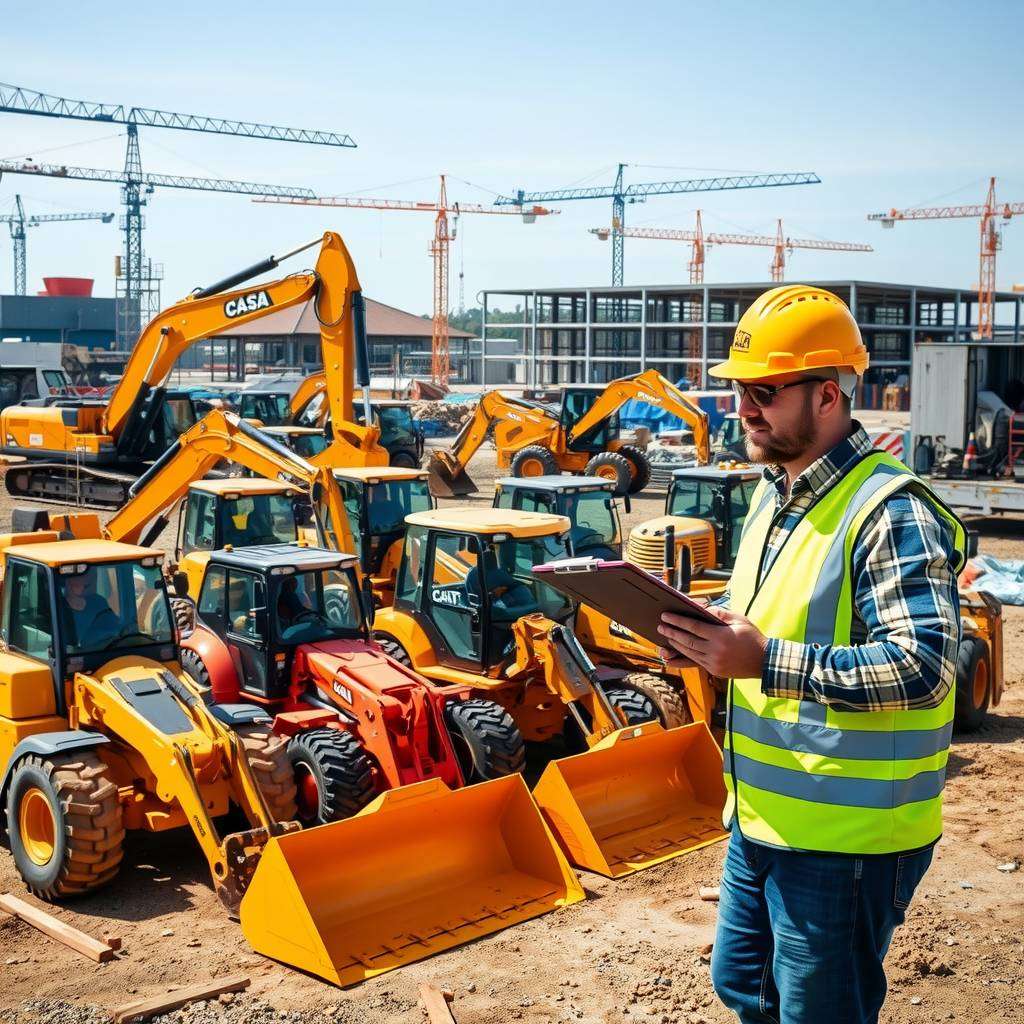
The construction industry today is driven by innovation, technology, and efficiency. Selecting the appropriate plant machinery can significantly impact the success of any construction project. With various options available on the market – from new to used plant for sale – making a knowledgeable choice is paramount. This comprehensive buying guide aims to outline the essential factors to consider when investing in plant and equipment.
Understanding Your Project Needs
Before diving into the specifics of machinery and plant, it is crucial to evaluate the unique requirements of your project. Consider factors such as:
- The scale and scope of your construction project.
- Site conditions, including space limitations and terrain.
- Specific tasks that need to be performed, such as excavation, lifting, or demolition.
Having a clear understanding of your project needs will allow you to select the right type of plant machinery that can handle the demands effectively.
Our extensive range of plant machinery ensures you have the right equipment for your construction projects. From excavators to forklifts, we provide reliable solutions for every need. To understand how to manage risks associated with plant machinery, visit https://www2.education.vic.gov.au/pal/plant-and-equipment-management/procedure/4-controlling-plant-and-equipment-risks.
Types of Plant Machinery
Plant machinery encompasses a wide variety of equipment, each suited for different applications. Some of the most common categories include:
- Excavators: Ideal for digging and earth-moving tasks, available in different sizes to fit various job requirements.
- Loaders: Used for loading materials into trucks or moving them around site; they offer versatility in handling bulk materials.
- Dumpers: Excellent for transporting large loads over rough terrain, particularly in sites where access is limited.
- Crushers and Screeners: Essential for processing materials, these machines efficiently reduce the size of waste materials and separate valuable aggregates.
Familiarising yourself with the options available will put you in a better position when considering whether to invest in brand new plant machinery or explore the market for second-hand plant and machinery.
New vs Used Plant Machinery
One of the critical decisions you will face is choosing between new and used plant machinery.
New Plant Machinery
Investing in new plant machinery can provide several advantages:
- Reliability: New machines come with warranties and the assurance of no prior wear and tear.
- Latest Technology: New models often feature the latest technological advancements, improving efficiency and safety.
- Customisation: You may have the option to customise new equipment to meet your specific project requirements.
However, new machinery often comes at a significantly higher price point, which should be weighed against your budget constraints.
Used Plant for Sale
On the other hand, exploring the market for used plant equipment for sale can be a viable option. The benefits of purchasing second-hand machinery include:
- Cost-Effectiveness: Typically, used plant machinery comes at a fraction of the price of new equipment, allowing you to allocate budget towards other project needs.
- Immediate Availability: Used plant and machinery are often readily available, meaning you might avoid the wait times associated with ordering new equipment.
- Established Performance: Used machinery may have a proven track record, which allows you to assess its performance through reviews or testimonials.
However, purchasing second-hand plant and machinery does require diligence. It is essential to conduct thorough checks to ensure that the equipment is in good working condition and to ascertain its service history.
Assessing Plant Equipment Condition
When considering used plant equipment for sale, detailed inspections and assessments are imperative. Look for the following:
- Maintenance Records: Verify past maintenance to confirm whether the machinery has been regularly serviced. A well-documented history often points to better longevity and reliability.
- Physical Inspection: Examining the machinery in person allows you to pinpoint any visible signs of damage, excessive wear, or necessary repairs.
- Operational Tests: If possible, operate the machinery or arrange for a demo. This firsthand experience will help you evaluate its functionality and comfort.
An informed assessment will not only protect your investment but will also contribute to the longevity of the equipment.
Understanding Financing Options
Financing plays a crucial role in the purchasing process of plant machinery. There are various financing options available, including direct purchases, leasing, and hire purchase agreements. Understanding the intricacies of each will help you make a financially sound decision.
- Direct Purchase: Buying the plant equipment outright is the most straightforward route but requires a significant upfront investment.
- Leasing: Ideal for short-term projects or when capital is limited, leasing allows you to utilise machinery without the long-term commitment.
- Hire Purchase: This option enables you to use the machinery while gradually paying for it, ultimately allowing ownership once payments are complete.
Evaluating your financial situation and project duration will assist in choosing the best approach.
When it comes to construction projects, the importance of reliable plant machinery cannot be overstated. High-quality equipment can significantly enhance productivity and efficiency on the job site. Whether you’re in need of excavation, lifting, or earthmoving machinery, investing in the right plant options is essential. For an extensive range of rentals and purchases, explore sjhallplant.com to find the perfect solutions tailored to your needs.
Regulation and Compliance
Lastly, it is vital to ensure that any plant machinery purchased complies with industry regulations and safety standards. Familiarise yourself with health and safety guidelines relevant to your project, as non-compliance can lead to legal issues or costly fines down the line.
Before concluding your purchase, ensure the machinery has the necessary certifications and conforms to safety standards set forth by regulatory bodies. This diligence not only protects your investment but also enhances site safety for all personnel involved.
Choosing the right plant machinery is a process influenced by numerous factors. By thoroughly evaluating your needs, understanding the market options, and remaining informed about financing and compliance, you can make a well-rounded decision that contributes to the success of your construction projects.