
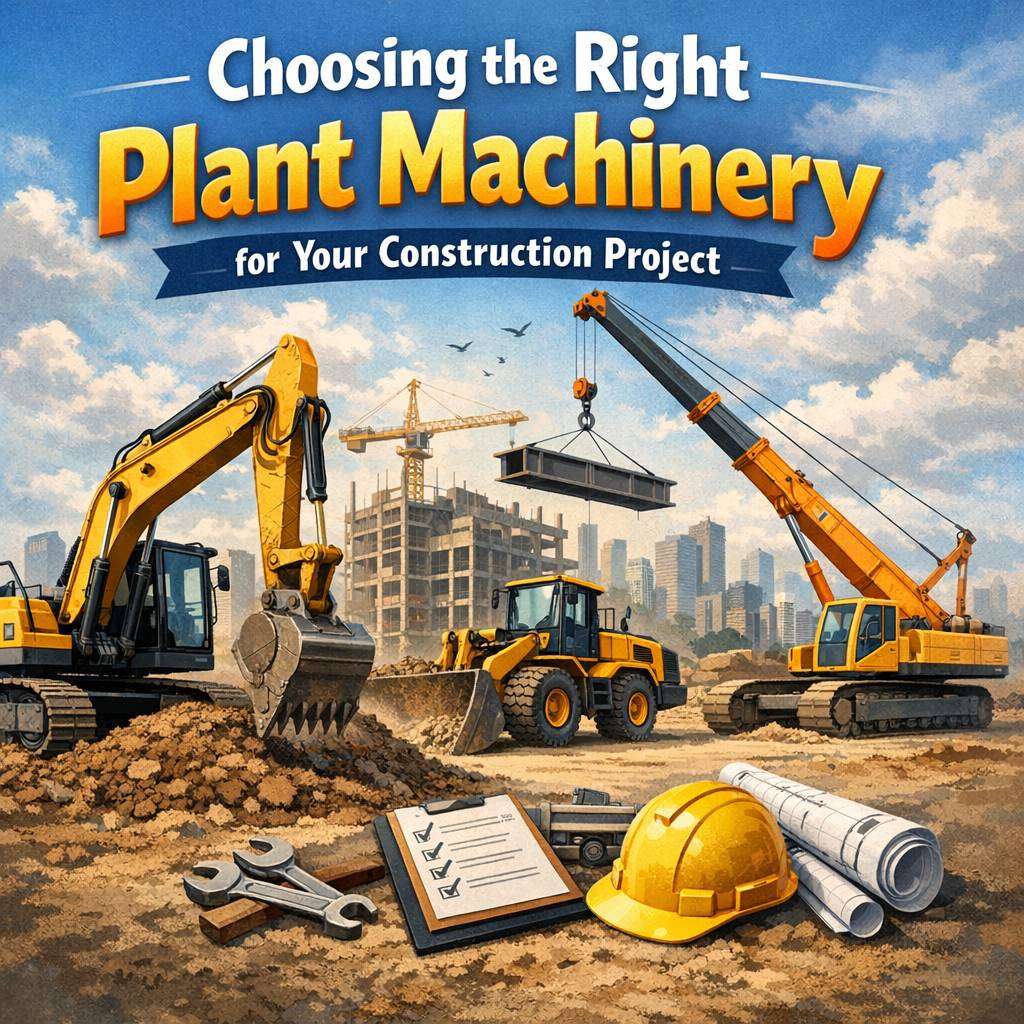
Choosing the right plant machinery is vital to the safety, efficiency and profitability of any construction project. The wrong equipment can cause delays, increased fuel use and higher maintenance costs, while the right selection supports productivity, reduces risk and improves on-site coordination. This guide explains how to assess needs, evaluate options and make a well-informed decision when sourcing heavy plant machinery, plant equipment or plant and machinery for your site.
Discover reliable plant machinery solutions for construction projects, with flexible rental options and comprehensive service support. https://www.dla.mil/Aviation/Offers/Industrial-Plant-Equipment/ Our team matches equipment to your timeline, ensuring productivity, safety, and cost efficiency across sites, warehouses, and urban builds, backed by maintenance, operator training, and responsive on-site assistance to keep projects on schedule and within budget. We tailor fleets, plan transitions between sites, and optimize fuel use and downtime and uptime.
Reliable plant machinery solutions empower construction teams to work efficiently, safely, and on schedule. Our versatile fleet supports everything from excavation to lifting, with engineers ready to tailor options to your site. We prioritize uptime, operator training, and proactive maintenance to maximize productivity and minimize downtime on every project. Partner with us for expert guidance and support. https://www.nmrk.com/en-gb/services/plant-machinery
Understanding Your Project Requirements
Start with the tasks you need to complete and the outcomes you expect. Identify the key activities—earthworks, material handling, lifting, demolition, or finishing works—and match them to machinery capabilities such as breakout force, lift height, reach, and stability. Create a task list with approximate daily hours and peak loads. This helps determine the required operating weight, breakout force, hydraulic flow, and cycle times. Consider whether you’ll need attachments (buckets, hydraulic breakers, grapples, augers) and whether your team will operate multiple shifts. By defining the core duties, you can filter options within heavy plant machinery that are fit for purpose rather than merely available.
Site Constraints and Access
Your site geometry matters as much as the job itself. Narrow access, low ground clearance, uneven surfaces or confined spaces can rule out certain machines. Weigh the track or tyre footprint, travel speed, and turning radius against site layout and transportation routes. Height restrictions, overhead lines and underground services require planning for safe manoeuvrability and load placement. If crane or lifting operations are involved, ensure you factor in stable working loads and outrigger requirements. Planning for on-site logistics, including delivery windows and storage space for machinery and fuel, reduces downtime and protects productivity.
Choosing reliable plant machinery is crucial for efficient site work, from excavation to lifting. Our fleet combines advanced safety features, fuel efficiency, and versatile attachments to boost productivity. We tailor rental and purchase options to fit project timelines, reduce downtime, and maximise uptime. Trust our team for expert support, flexible terms, and transparent pricing. Access seamless, reliable and efficient service and discover best solutions for your site at https://www.sjhallplant.com
Matching Machinery to Tasks
Different tasks demand different capabilities. For bulk earthworks, consider excavators or hydraulic diggers with the appropriate bucket size and reach. For material handling and load-out, wheel loaders or telehandlers may be more efficient. In tight spaces, compact excavators or mini loaders offer versatility without compromising performance. For finished elevations and compaction, consider rollers or compactors with the correct static and dynamic weight. If you anticipate needing elevation work or indoor access, scissor lifts or boom lifts might be essential. When evaluating options, compare operating weight, hydraulic flow, bucket breakout force, and duty cycles to ensure the machine aligns with the job profile and safety requirements.
Cost, Durability and Lifecycle
A robust total cost of ownership includes purchase price or hire rates, fuel consumption, maintenance, parts availability and resale value. Heavy plant machinery tends to incur high upfront costs, but efficient machines with low downtime deliver savings over time. Look for engines with modern emissions standards, fuel efficiency, and reliable hydraulics. Consider service intervals, remote diagnostics, and the availability of parts and qualified technicians. Evaluate the lifecycle from procurement through decommissioning, including potential refurbishment or re-purposing of plant and equipment at the end of its service life. For many projects, market options include used plant equipment for sale, which can offer significant value if a thorough inspection and history check are performed.
Buying, Renting or Sourcing Second Hand Plant Machinery
Decide whether to hire, buy outright or pursue second hand plant machinery. Hire can be ideal for short-term spikes in demand, seasonal work or when hydraulic systems require specialist support. Buying or investing in plant machinery sales may be better for long-term projects or when you need consistent on-site capability. Second hand plant machinery can offer cost savings, but you must assess hours, maintenance records, corrosion, wear on critical components, and potential retrofits or upgrades. Ensure warranties, service agreements and access to parts are in place, and compare total cost of ownership across options. When shopping for plant & machinery, work with reputable suppliers who provide transparent histories and clear after-sales support.
Safety, Compliance and Maintenance
Safety and compliance are non-negotiable. Ensure all equipment meets UK standards and that operators have appropriate qualifications and training. PUWER (Provision and Use of Work Equipment Regulations) and LOLER (Lifting Operations and Lifting Equipment Regulations) considerations should guide equipment selection, inspection regimes, and lifting gear management. Implement a daily and pre-use inspection routine, document defect reporting, and arrange regular maintenance with approved service partners. Reliability matters: a well-maintained machine is safer, less prone to breakdowns and more cost-effective over the project life. Consider remote monitoring and telematics as part of plant and machinery management to track utilisation, service reminders and fuel efficiency.
Logistics, Supplier Support and Aftercare
Finally, assess supplier capabilities beyond the sale or hire. A responsive service network, access to spare parts, on-site support and clear break-fix timelines reduce downtime. Verify training options for your operators and the availability of commissioning or re-assembly services after any transport or relocation. A supplier with robust plant and equipment knowledge can advise on the best fit for your site, provide impartial recommendations, and offer guarantees or warranties that cover essential components. If you’re expanding your fleet, factor in the scalability of your chosen partner and whether they can supply both new and used plant equipment for sale as your needs evolve.
Choosing the right plant machinery is a balance of technical fit, cost-effectiveness and reliable support. By carefully considering project requirements, site constraints, task-specific capabilities, lifecycle costs, and the availability of trusted suppliers, you’ll position your project for smooth execution and long-term success in plant machinery sales and beyond.