
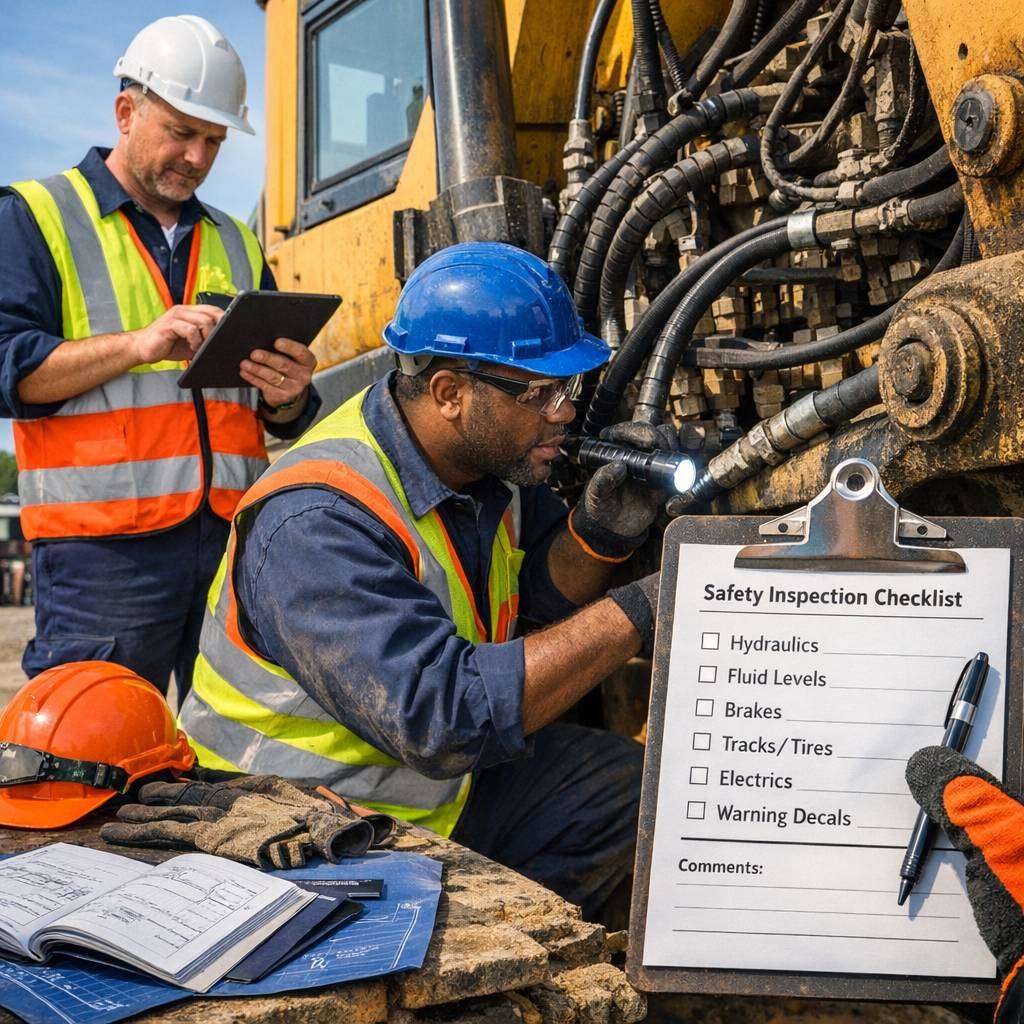
Plant machinery is a significant investment for any construction project. Regular inspection and proactive maintenance not only extend the lifespan of equipment but also safeguard on-site safety. By adopting a disciplined approach to care, you can reduce downtime, avoid expensive repairs, and keep projects on schedule. This article provides expert guidance on inspecting and maintaining plant machinery, with practical tips you can implement today.
In this guide, we’ll cover how to perform routine checks, the importance of a maintenance schedule, and best practices for storing and transporting plant and equipment. Whether you’re purchasing plant machinery for sale or managing a fleet of used plant equipment, adopting standardised processes will help you maximise reliability and efficiency.
Plant machinery powers efficient site operations, delivering dependable performance for lifts, earthworks, and roadworks. Our expert team aligns equipment with project needs, ensuring reliability and value. Explore options and rental plans at www.sjhallplant.com for your next project.
Plant Machinery for Sale
When evaluating plant machinery for sale, the inspection process starts before you even sign a deal. Here are key steps to take:
- Request a comprehensive service history. A well-documented maintenance log indicates meticulous care and can reveal recurring issues.
- Check the hours of operation and the age of the unit. Excessive hours on older machines can signal wear that requires more frequent maintenance.
- Inspect critical components. Focus on the engine, hydraulics, hydraulic hoses, undercarriage or tracks, and electrical systems. Look for leaks, cracks, corrosion, and unusual noises.
- Verify recent repairs and replacements. If major components have been refurbished or replaced, obtain receipts and evidence of proper parts and procedures.
- Perform a test run if possible. Listen for irregular noises, check for smooth gear shifts, and observe hydraulic responsiveness.
For buyers, commissioning a trusted broker or independent technician to carry out a pre-purchase inspection (PPI) adds an extra layer of assurance. For sellers, offering transparent maintenance records and a recent service report can build buyer confidence and reduce negotiation friction.
Plant machinery powers sites efficiently, delivering reliable results for projects of all sizes. Our range includes excavators, loaders, and compressors designed for durability and performance. Whether renting or purchasing, you’ll find versatile options to suit timelines and budgets. For more details and inclusive service packages, visit https://www.sjhallplant.com. Explore our solutions today.
Machinery and Plant Safety
Safety is the cornerstone of any inspection and maintenance programme. Establish a formal safety policy that covers:
- Daily walk-arounds: Check for leaks, damaged panels, loose bearings, and tyre or track wear. Ensure safety decals are legible and controls are clearly labelled.
- Lockout/Tagout procedures: Ensure power sources can be isolated before maintenance work. Keep keys and control switches secured.
- Fatigue management: Monitor operators for signs of fatigue, ensuring shifts are aligned with equipment complexity.
- PPE compliance: High-visibility clothing, hard hats, gloves, and safety boots should be standard on site.
- Safe lifting and transport: When moving plant equipment, use appropriate lifting gear, securing straps, and stable transport routes.
Maintenance should be integrated with safety checks. A machine that passes a safety inspection is more reliable and less prone to breakdowns that could endanger workers. Carriage into any service log should note safety concerns and corrective actions taken.
Plant and Machinery Maintenance
A proactive maintenance regime is the best defence against unexpected failures. Consider a structured approach:
- Preventive maintenance schedule: Align service intervals with manufacturer recommendations. Schedule filter changes, oil/fluids checks, and coolant tests at recommended milestones.
- Fluid management: Regularly inspect oil, hydraulic fluid, coolant, and fuel systems. Replace fluids according to the manufacturer’s timetable, and use the correct grade and specification.
- Filtration and air intake care: Clean or replace air filters to maintain engine efficiency and prevent particulates from causing wear.
- Hydraulic system vigilance: Inspect hoses for swelling, abrasion, or leaks. Replace suspect hoses promptly to prevent failures that could cause downtime.
- Track and undercarriage maintenance: For machines on tracks or wheels, check tension, wear patterns, and track shoes. Misalignment can lead to uneven wear and poor stability.
- Cooling systems: Overheating is a common cause of engine damage. Clean radiators, ensure fans operate correctly, and check coolant levels and mixtures.
- Electrical and instrumentation: Test warnings, gauges, and control panels. Corrosion on connectors or worn wiring can lead to intermittent faults that are hard to diagnose.
- Lubrication: Grease or oil lubrication points as recommended. Correct lubricant type and frequency keep bearings running smoothly.
A maintenance log should capture service dates, parts replaced, and any anomalies observed. This history is invaluable for planning future repairs and for potential buyers evaluating used plant equipment.
Plant and Equipment Storage and Handling
Proper storage and handling protect plant machinery from environmental damage and unnecessary wear:
- Shelter and climate control: When possible, store equipment in a covered area to shield it from rain, sun, and dust.
- Battery care: Store batteries in a charged state and disconnect when machines are idle for extended periods. Regularly inspect battery terminals for corrosion.
- Cleaning routine: Remove dirt, mud, and debris after use. Clean machinery before inspection to avoid masking underlying issues.
- Fuel management: Use clean, high-quality fuel and store away from heat sources to prevent contamination and degradation.
- Transportation readiness: For ships or hauls to site, secure the machine, remove loose attachments, and follow weight limits and regulatory requirements.
Discover reliable plant machinery solutions for sale or rent. Our fleet covers excavators, telehandlers, and loaders with flexible terms. Whether upgrading fleets or starting a project, trust our expertise and support for optimal performance. https://www.facebook.com/KDPlantMachinery/
Used Plant Equipment: Inspection and Longevity Tips
If you’re sourcing used plant equipment, thorough due diligence is essential:
- Obtain a maintenance and service history, with any major repairs documented.
- Inspect for corrosion, cracks, and signs of previous accident damage.
- Check for water or contamination in hydraulic reservoirs.
- Inspect tires or tracks for uneven wear that might indicate alignment or suspension issues.
- Request a recent diagnostic report or operator’s manual to understand expected service intervals.
To maximise longevity, set up a regular maintenance cycle tailored to the unit’s age, usage, and duty cycle. Even with reputable used plant equipment, a customised service plan will help preserve performance.
Plant Equipment Diagnostics and Upkeep
Investing in diagnostics can catch problems early. Telemetry and remote monitoring can alert you to fluid levels, temperatures, pressure anomalies, and vibration patterns. Consider scheduling periodic root-cause analysis for recurring faults, ensuring corrective actions address the underlying issues rather than just the symptoms.
By implementing systematic inspections, timely servicing, and careful handling, you’ll extend the life of your plant machinery, safeguard personnel, and optimise operational efficiency. Whether you’re browsing plant machinery for sale or managing a fleet of used plant sales, a disciplined approach to care pays dividends in reliability and safety.
Plant machinery powers construction with reliability, efficiency, and safety at the forefront. Our rental and sales solutions optimize site productivity, reduce downtime, and maximize return on investment. Access authoritative guidance and terminology as you plan projects. https://www.lawinsider.com/dictionary/plant-and-machinery
Discover reliable plant machinery solutions that power your projects from start to finish. Our fleet covers excavators, loaders, and telehandlers, backed by expert support, flexible rental terms, and competitive pricing. For contractors seeking essential risk guidance, browse essential resources here: https://www.swissre.com/dam/jcr:d64be470-2466-467f-826a-67b7a89f7714/pub_contractors_plant_insurance_en.pdf. Explore our compliance and maintenance options to keep your projects on track.