
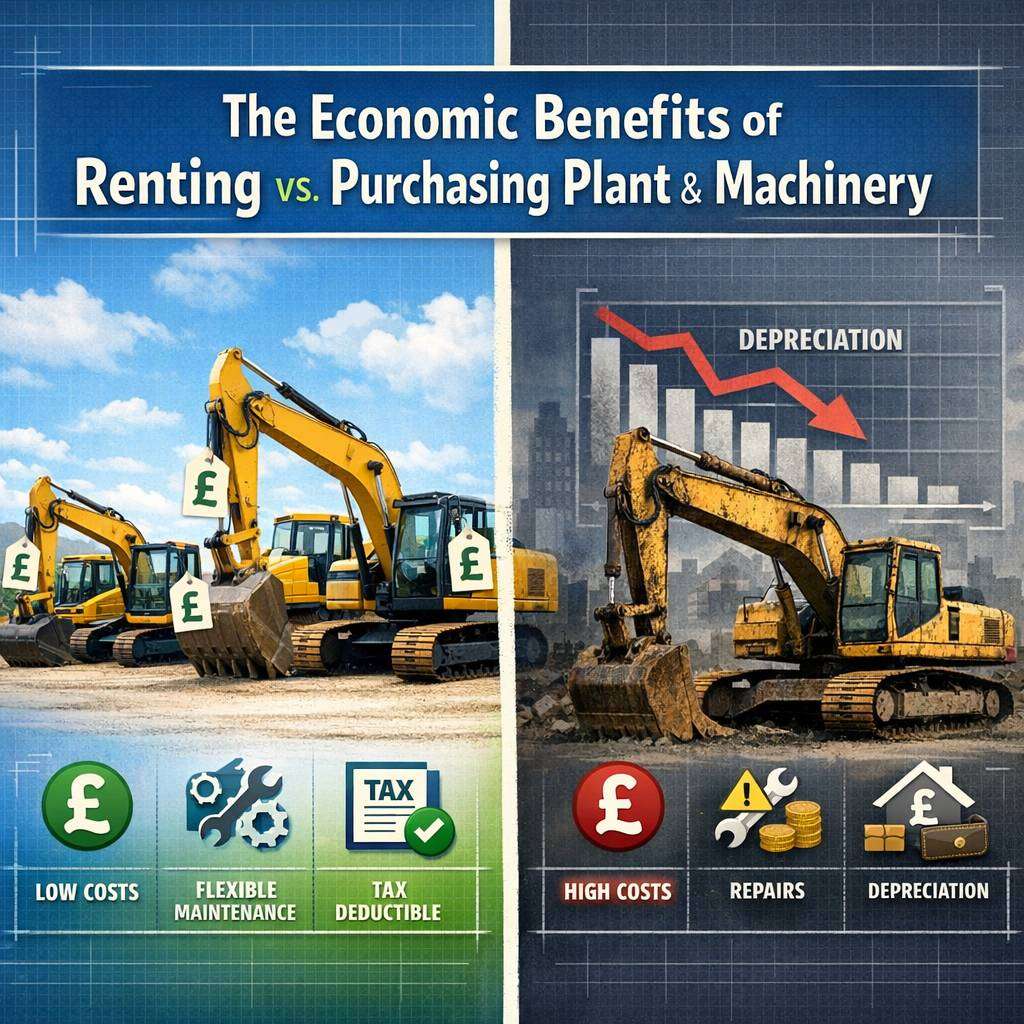
Plant and machinery form the backbone of many construction projects. Whether you’re bidding for large-scale infrastructure work or managing a small residential build, the decision to rent or buy can significantly impact your project’s financial performance. This article, written by an industry expert, explores the economic considerations of renting versus purchasing plant and machinery, with a focus on cost efficiency, risk management, and project flexibility. The content integrates industry terminology such as plant equipment for sale, plant machinery for sale UK, second hand plant machinery, and heavy plant machinery, to provide practical guidance for procurement teams, fleet managers, and business owners.
Total cost of ownership versus rental costs
When evaluating the economics of plant equipment, it’s essential to differentiate between total cost of ownership (TCO) and rental costs. Purchasing plant and machinery sales involve upfront capital expenditure, ongoing depreciation, maintenance, insurance, and storage costs. In contrast, renting or leasing offers predictable, regular expenses without the burden of depreciation or long-term maintenance liabilities. For projects with a short lifespan, fluctuating demand, or uncertain utilisation, renting often presents a lower TCO compared with outright purchase. In addition, rental agreements can include maintenance and servicing packages, reducing unexpected downtime and spare parts expenditure for heavy plant machinery.
For example, a project requiring a concrete pump for six months may be more cost-effective to rent than to buy, especially when considering the costs of storing large equipment, securing compliance, and potential downtime due to wear and tear. Conversely, if a business operates a fleet across multiple sites with a long project horizon and high utilisation, investing in plant machinery for sale UK or enterprise-wide procurement may deliver long-term savings.
Flexibility and utilisation risk management
Flexibility is a critical economic driver in the decision to rent or purchase plant equipment. Rental provides scalability: you can increase or reduce fleet capacity in line with project demands, geographies, or seasonal workloads. This flexibility helps manage utilisation risk—reducing the likelihood of idle assets that burden cash flow and parking space. For construction firms tendering for varying contract sizes, renting heavy plant machinery during peak periods can avoid the capital lock-in and asset depreciation associated with ownership.
Second hand plant machinery can also offer compelling economics for businesses seeking a balance between cost and risk. Reputable suppliers of plant machinery for sale UK often provide certified, inspected options that deliver reliable performance at a fraction of the price of new equipment. Leasing arrangements further spread costs and can include service and maintenance, which mitigates residual value risk.
Maintenance, reliability, and downtime
Reliability is a direct driver of project productivity and bottom-line performance. When you rent plant equipment for sale, you typically gain access to well-maintained machinery with up-to-date safety and compliance standards. Reputable rental fleets are subject to regular testing and servicing, and operators can benefit from on-site support and timely replacements in the event of breakdowns. This reduces downtime costs and ensures on-schedule delivery of milestones.
Buying heavy plant machinery transfers maintenance responsibility to the owner. While some businesses build in-house capability or contract maintenance, the ongoing cost can be significant, particularly for older or second hand plant machinery. The availability of spare parts and skilled technicians for plant equipment for sale can also influence economics. For projects with tight timelines, renting from a trusted supplier with a robust service package can be more economical than managing maintenance in-house.
Residual value and balance sheet impact
The accounting treatment of acquisitions versus rentals affects financial metrics and lender perceptions. Purchased plant and machinery for sale UK contributes to asset base and depreciation charges, influencing earnings before interest, tax, depreciation, and amortisation (EBITDA) and balance sheet strength. Rentals, on the other hand, appear as operating expenses, potentially improving financial ratios and reducing leverage concerns. For smaller firms or those seeking to preserve credit lines for growth, renting can be prudent to maintain liquidity and bolster capital reserves.
Additionally, entering into short or long-term rental agreements can provide access to the latest technology without the risk of obsolescence. In industries where specifications, power, hydraulics, or emission standards evolve rapidly, renting enables immediate upgrades to new plant machinery without sustaining old asset write-offs.
Plant & machinery is essential for efficient construction projects, delivering reliable power, precision, and productivity on site. For operators and owners, proper management reduces downtime and extends equipment life. Explore how insurance and risk mitigation support uptime. https://www.hdi.global/insurance/business-infrastructure/machinery-insurance/ Understanding coverage is a smart investment for safeguarding your plant & machinery assets.
For reliable plant & machinery solutions, trust our extensive rental fleet and sales expertise to keep your project on track. Our team offers flexible terms, maintenance support, and timely delivery to sites nationwide. Explore options and competitive pricing at https://www.sjhallplant.com for the best plant & machinery deals.
Market dynamics: second hand plant machinery and the used market
The market for second hand plant machinery presents compelling opportunities for cost-conscious buyers. Plant machinery for sale uk includes a wide range of models with varying hours, condition, and warranties. Thorough due diligence—inspection, service history, and verification of compliance—plays a crucial role in realising the economic benefits of the used market. When sourced from reputable plant machinery dealers, second hand plant machinery can offer predictable performance and lower upfront costs compared with buying new. This can tilt the economics in favour of a mixed strategy: acquire core assets as new for reliability, while supplementing with second hand plant machinery where appropriate to maintain cash flow and fleet flexibility.
Similarly, plant equipment for sale marketplaces often list both new and used options with transparent pricing and after-sales support. The choice between buying and renting should consider not only the sticker price but also insurance, failure risk, maintenance commitments, and the cost of downtime.
Environmental, regulatory, and long-term strategic considerations
Economic decisions do not occur in a vacuum. Environmental and regulatory factors influence both rental and purchase decisions. Compliance with health and safety regulations, emissions standards, and operator qualifications can shape the total cost of ownership. Renting can reduce regulatory risk by transferring some compliance and routine servicing to the supplier, especially for diverse fleets or multiple sites. Long-term strategic planning—such as consolidating fleets, standardising equipment, or adopting shared service models—can drive efficiency and reduce total cost of ownership over multiple projects.
If your organisation requires plant machinery for sale UK or plant equipment for sale, aligning procurement strategy with project pipelines, maintenance capacity, and fleet governance will optimise both performance and economic outcomes. A well-structured approach may include a core purchase of critical, high-use machinery while maintaining access to rental options for peak demand, pilot projects, or equipment with a shorter lifecycle.
In summary, the economics of renting versus purchasing plant and machinery hinge on project duration, utilisation, maintenance capacity, and risk tolerance. For many firms, a blended strategy—utilising rental for flexibility and second hand plant machinery for selective purchases—delivers the best balance of cash flow, reliability, and operational performance. By evaluating total cost of ownership against rental costs, and by considering market dynamics in second hand plant machinery, businesses can make informed, financially sound decisions that support project success and long-term growth.
If you’re exploring plant machinery for sale UK or plant equipment for sale, consider engaging with a reputable supplier who offers transparent pricing, maintenance packages, and flexible rental terms to optimise your project economics.
Discover reliable plant & machinery solutions for construction projects, from expert sales to flexible rental options. Our team ensures quality equipment, timely service, and cost-effective support. For more details, visit sjhallplant.com.