
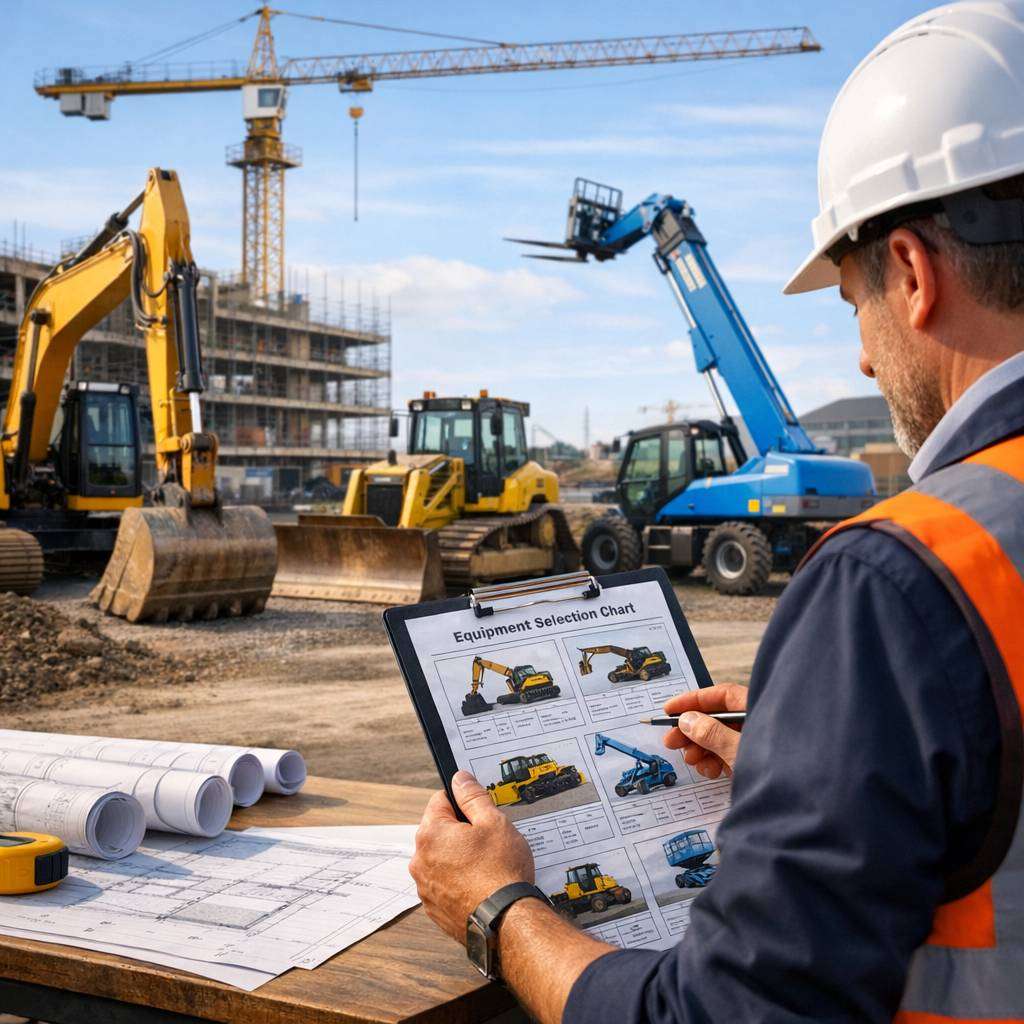
Looking for reliable plant machinery for construction projects? Our inventory offers durable, efficient equipment backed by expert support. From excavators to loaders, we provide flexible rental terms and competitive pricing. For comprehensive funding resources and school facility guidance, visit https://educate.iowa.gov/pk-12/operation-support/school-facilities/funding to learn more about available options. Choose us for dependable plant machinery solutions that keep your site on schedule.
Choosing the right plant machinery for a construction project is a critical decision that impacts safety, efficiency, and budget. As an expert in the field, I’ve prepared a practical guide to help you navigate the options, evaluate needs, and select equipment that will keep your project on track. Below you’ll find a structured approach to choosing plant machinery, with specific considerations for both new and used plant equipment, and tips for UK buyers.
Plant machinery boosts efficiency on any site, delivering reliable performance and reduced downtime. Our rental fleet and sales options ensure you find the right machinery for the job. For tax considerations and capital allowances related to plant machinery, consult resources like https://www.gov.uk/hmrc-internal-manuals/capital-allowances-manual/ca22030 to maximize deductions and cash flow. Contact us today to discuss project needs.
Assess Your Project Requirements
Before you even start comparing machines, clearly define the project scope. Consider:
- Ground conditions and terrain: firm ground, soft ground, or uneven terrain will influence wheel versus track options, as well as the need for stabilisers or compact machines.
- Material handling needs: dirt, rubble, concrete, and earthworks each demand different attachments (buckets, grapples, breakers, rippers).
- Excavation depth and reach: determine the required digging depth, reach, and dumping height to avoid over-specifying or under-allocating capacity.
- Access and space constraints: narrow sites necessitate compact or mini plant machinery; ensure manoeuvrability within site boundaries.
- Timeline and throughput: higher utilisation machines reduce cycle times but may come at higher capital or rental costs.
A thorough requirements checklist helps you decide whether you need excavators, wheeled loaders, telehandlers, skid steers, or dumpers, and guides the selection of attachments and auxiliary equipment.
Evaluate Machine Types and Suitability
Understanding the core capabilities of common plant machinery is essential. Here are typical categories and when they’re appropriate:
- Excavators: versatile for digging, lifting, and material handling. Consider operating weight, breakout force, bucket size, and reach. For confined spaces, a micro or mini excavator might be best.
- Wheel loaders and skid steers: excellent for moving material, loading trucks, and site cleanup. Choose based on tipping load, bucket capacity, and turning radius.
- Telescopic handlers: ideal for elevated lifting, palletised loads, and confined-site logistics. Check maximum lift height and outreach.
- Dumpers and site vans: useful for transporting material quickly around the site; payload and ground clearance matter for rough terrain.
- Compactors and rollers: necessary for soil, asphalt, and surface finishing work; consider soil type and desired compaction levels.When considering used plant equipment, verify that a machine’s intended use aligns with your project demands and that the equipment’s condition supports those tasks.
Consider the Condition: New, Used, or Second Hand Plant Machinery
Deciding between new, used plant machinery or second hand plant machinery hinges on cost, reliability, and risk tolerance:
- New plant machinery: offers full warranty, modern efficiency, and the latest safety features. Best for long-term projects or high-demand equipment that must perform consistently.
- Used plant equipment: provides significant cost savings, with a wide selection of models across ages and hours. Exercise due diligence on maintenance history, hydraulics, engine condition, and prior usage. Consider arranging a professional mechanical inspection before purchase.
- Second hand plant machinery: a middle ground in price and reliability. Inspect maintenance records, service intervals, and whether parts are readily available in the UK. When sourced from reputable dealers, second hand options can be economical without sacrificing quality.
When purchasing used or second hand plant machinery, always verify:
- Hours of operation and total life left
- Service history and any major overhauls
- Structural integrity (frames, booms, arms) and signs of accidents
- Hydraulic system integrity, seals, and leaks
- Electrical systems, lights, and safety features
- Availability of spare parts and after-sales support through used plant sales uk specialists
For buyers in the UK, “used plant sales uk” and “plant machinery for sale uk” can reference dealers who offer certified pre-owned stock with inspection reports and warranty options. This can deliver a balance of price and reassurance.
Check Compliance and Safety Features
Compliance with UK health and safety standards is non-negotiable. When evaluating plant machinery, assess:
- Daily safety checks and logbooks, including service intervals and accident history
- ROPS/FOPS protection for elevated work
- Proximity sensors, backup cameras, audible alarms, and visibility aids
- Safe access to operator platforms, including non-slip steps and handrails
- Tyre type, tread depth, and ground pressure suitable for site conditions
- Emission compliance and energy efficiency, particularly for diesel enginesWhen considering used plant sales, request maintenance records that demonstrate ongoing compliance and a clear safety history. Tools and attachments must be compatible with the chosen machine and meet UK standards for materials handling.
Discover reliable plant machinery for sale and hire at competitive rates. Our fleet features excavators, loaders, and more, backed by trusted support. Explore options and book online today at https://www.sjhallplant.com for efficient project completion.
Plant machinery is the backbone of any successful construction project, delivering reliability, efficiency, and performance when you need it most. From excavators to cranes, our fleet is maintained to the highest standards, ensuring safe operation and minimized downtime. Explore our capabilities and discover how we can support your timelines. https://www.linkedin.com/company/bechtel-plant-machinery-inc Our team of experts offers flexible rental options and proactive service to keep projects on track and within budget.
Budgeting, Rental versus Purchase, and Total Cost of Ownership
A robust total cost of ownership (TCO) analysis helps prevent budget overruns. Include:
- Purchase price or rental rate and contract length
- Maintenance, parts availability, and potential downtime
- Transportation and mobilisation costs to and from site
- Insurance, taxes, and depreciation
- Attachments and compatibility costs (hammers, grapples, buckets, couplers)
- End-of-lease conditions for rental agreements, including return conditions and any reconditioning chargesWhen weighing used plant sales uk versus new plant machinery, model total costs over the project duration. If your need is sporadic or project-based, rental or short-term lease can provide flexibility and reduce capital expenditure, while ensuring access to up-to-date equipment.
Sourcing and Due Diligence
Partner with reputable suppliers who offer transparent specifications, condition reporting, and after-sales support. For UK projects, look for:
- Clear documentation of machine hours, maintenance history, and accident records
- Availability of certified pre-owned options with warranties
- Access to genuine parts and qualified technicians for repairs
- Flexible service plans and emergency repair arrangements to minimise downtime
- References from other construction firms and evidence of reliable on-time delivery
If you’re buying, ask for a detailed inspection checklist and, where possible, arrange a demonstration to confirm performance. When selling or exchanging machinery, ensure you understand the warranty terms and the process for service or resale.
Choosing the right plant machinery requires a thoughtful balance of project requirements, technical suitability, cost, and safety. By evaluating machine type, condition, compliance, and total cost, you can confidently select plant machinery that keeps your construction project on schedule and within budget. Whether you’re considering used plant equipment, second hand plant machinery, or plant machinery for sale uk, thorough due diligence and a clear understanding of your project needs will guide you to the best choice.