
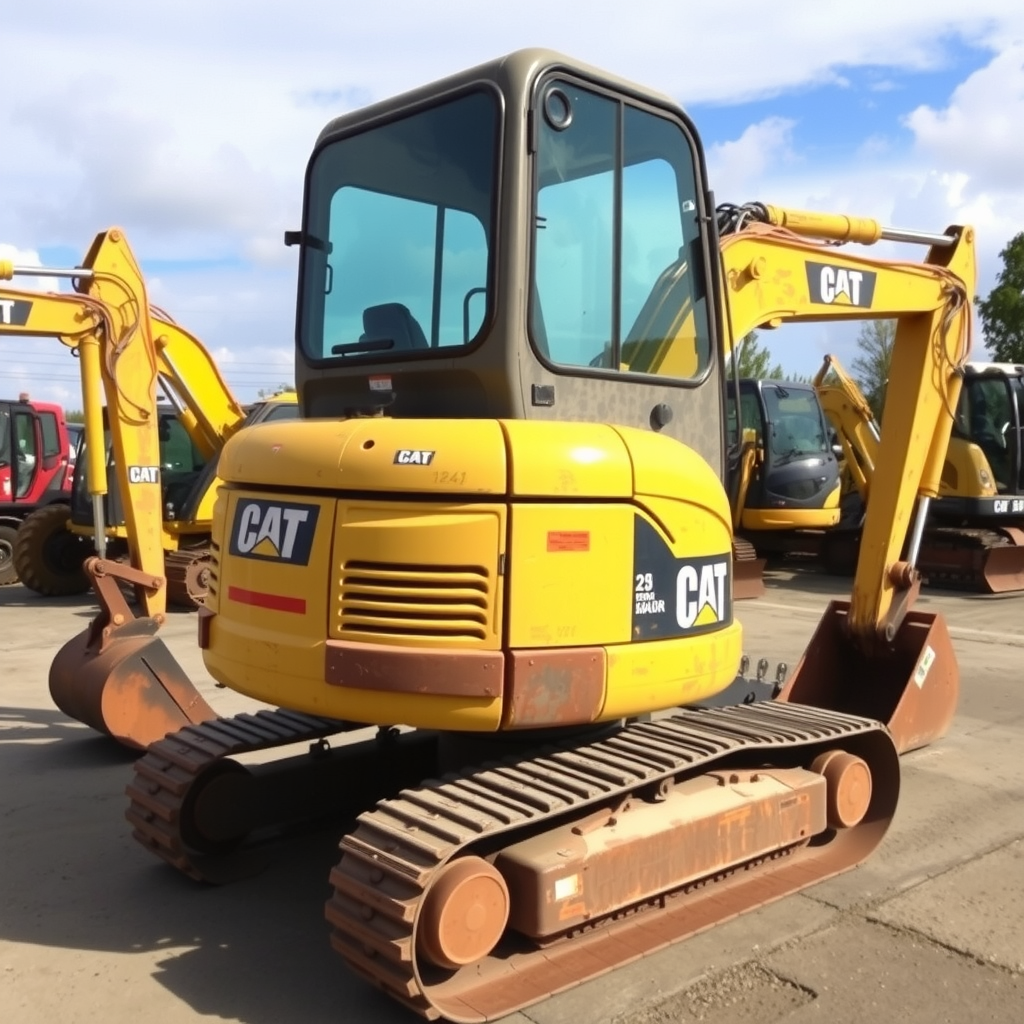
Looking for cost-effective solutions for your construction projects? Our extensive inventory of used plant sales offers high-quality machinery at competitive prices. Whether you need excavators, diggers, or loaders, we’ve got you covered. Explore our offerings today at sjhallplant.com and find the perfect equipment for your needs!
The construction industry is continually evolving, and with it, the need for reliable and efficient machinery. Many businesses are recognising the benefits of investing in used plant machinery, offering significant cost savings without compromising on quality. With a robust market for second-hand plant and machinery for sale, companies no longer need to be constrained by tight budgets when looking to boost their fleet.
In this article, we will explore the advantages of purchasing used plant equipment, the criteria for assessing quality, and the importance of working with reputable suppliers. By understanding these factors, businesses can make informed decisions that will enhance their operational efficiency and competitive edge in the sector.
Understanding the Benefits of Used Plant Equipment
The primary appeal of used plant equipment for sale lies in its cost-effectiveness. New heavy plant machinery often comes with a hefty price tag, making the initial investment prohibitive for many businesses, particularly smaller contractors. In contrast, second-hand plant and machinery can be acquired at a fraction of the cost. This immediate financial relief allows companies to allocate funds towards other critical areas of their business, such as workforce development or safety equipment.
Moreover, the depreciation rate on machinery is particularly steep during the first few years of ownership. By opting for used plant machinery, companies can circumvent this initial drop in value and retain a higher resale price in the future. Consequently, purchasing second-hand equipment can be a savvy financial decision that ensures a greater return on investment over time.
Key Considerations for Quality Assurance
While cost savings are an attractive proposition, meticulous attention to quality assurance is essential when venturing into the used plant machinery market. It is crucial to consider several factors when evaluating machinery and plant:
Condition and Maintenance History: Always ask for the maintenance records of second-hand plant and machinery for sale. Equipment that has been regularly serviced is more likely to perform reliably. Companies should be wary of machinery that has not been maintained properly, as this could lead to costly repairs and operational disruptions down the line.
Age and Usage: The age of the machinery can indicate its overall value and reliability. Additionally, understanding its previous usage—whether for light or heavy-duty tasks—will give you insight into how much wear and tear to expect. Generally, machinery that was used for less strenuous applications will have a longer lifespan.
Reputation of the Seller: When exploring the market for used plant machinery, it is advisable to procure equipment from well-established dealerships or credible platforms. Trusted sellers typically provide thorough inspections and guarantees for their machines, further ensuring the quality and reliability of the equipment purchased.
Inspection and Testing: Prior to making a purchase, it is prudent to conduct a thorough inspection of the machinery. This may include testing its operation under load and assessing essential components such as hydraulic systems, engines, and safety features. If possible, hiring an independent expert to carry out a detailed assessment can add another layer of assurance.
Warranty Options: Some dealers offer limited warranties on used plant machinery. Understanding the terms of these warranties can provide added peace of mind. While it’s unlikely that you will find a warranty as extensive as that of new machinery, safeguards can help mitigate the financial risk if something were to go wrong.
Rental Alternatives for Cost-Effective Solutions
For businesses that may not require permanent ownership of machinery, rental options can be an economic and flexible alternative. Renting used plant equipment allows companies to access high-quality machinery without the heavy upfront expenditure. This strategy can also mitigate the risks associated with ownership, such as depreciation and maintenance costs.
Rental providers often offer a wide variety of heavy plant machinery, enabling businesses to select precisely what they need for specific projects. This flexibility is invaluable in an industry where project scopes can change rapidly. Furthermore, many rental services ensure that their used equipment is regularly maintained and inspected before rentals, offering added quality assurance.
The Importance of Industry Certification
When engaging in plant and machinery sales, it is advisable to consider the certification of the used equipment. Certificates from recognised industry bodies guarantee that the machine complies with relevant health and safety regulations. This compliance is essential not only for legal purposes but also for promoting a safe work environment.
Opting for machinery and plant that has been certified ensures that companies are not only investing in cost-effective equipment but also in the safety and wellbeing of their workforce. It is a crucial step in upholding industry standards and fostering a culture of responsibility and excellence within the operation.
Conclusion
In summary, purchasing used plant machinery presents a unique opportunity for significant cost savings. By prioritising quality assurance, understanding the inspection process, and choosing reputable sellers, companies can secure reliable equipment that enhances their operational capabilities. Additionally, rental options can provide further flexibility, allowing businesses to adapt their resources to ever-changing project demands while ensuring they only pay for what they need.