
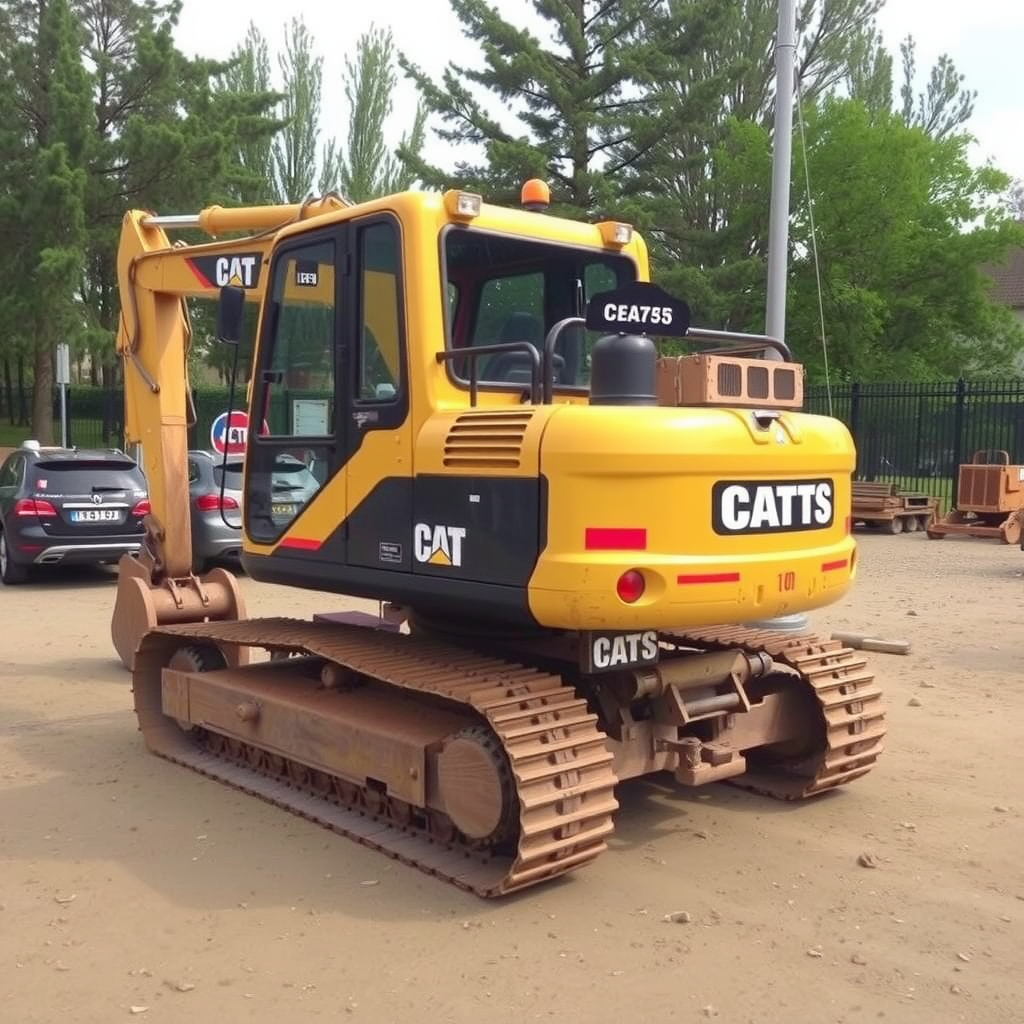
Looking for reliable excavators for sale? Discover our extensive selection of high-quality excavators at competitive prices. With cutting-edge technology and robust designs, our machines are perfect for any construction project. Explore your options today at https://www.sjhallplant.com and elevate your operations to new heights.
Excavators are indispensable in the construction and demolition industries, offering the power and versatility needed for a broad range of tasks. Whether you are looking for excavators for sale to add to your fleet or considering a used mini excavator to tackle smaller projects, making the right choice is essential. In this guide, we will explore the key factors to consider when purchasing excavation machinery, and provide insights into the best options available on the market today.
Understanding Your Needs
Before diving into the vast array of excavators available, it’s crucial to assess your specific requirements. Identifying the scope of your projects will allow you to choose the right machine for the job. You should consider factors such as:
- The size of the projects: Are you working on small residential jobs or large-scale commercial sites?
- The terrain: Will you be working on flat surfaces, rough terrain, or uneven ground?
- The reach and depth: How deep do you need to dig? What is the maximum reach required for your tasks?
- Attachments: What kind of attachments will you need for your work, such as buckets, grapples, or augers?
Understanding these factors will help you narrow down your options and focus on the most suitable excavators for sale.
Excavator Types and Their Applications
Excavators come in various sizes and configurations, each designed for specific applications. The three primary types include mini excavators, standard excavators, and larger models such as wheeled excavators or long-reach excavators.
Mini Excavators: Often referred to as compact excavators, these smaller machines are perfect for tight spaces and smaller jobs, such as landscaping, utility work, and residential construction. A used mini excavator can be an excellent choice for contractors looking to cut expenses while still meeting their project needs.
Standard Excavators: Ideal for most general excavation work, standard excavators strike a balance between size and capabilities. They can handle a variety of attachments, making them versatile for different tasks, from digging trenches to demolition.
Larger Excavators: If you need to move large volumes of earth or tackle significant demolition tasks, larger excavators may be necessary. These models are typically used for heavy construction projects and come with various attachments for more extensive applications.
New vs. Second-Hand Excavators
One of the biggest decisions you’ll face when looking for excavators for sale is whether to invest in a new machine or opt for a second-hand excavator.
New Excavators: Buying new offers advantages like the latest technology, warranties, and minimal maintenance requirements in the initial years. However, they come with a higher price tag that may not fit every budget.
Second-Hand Excavators: The market for used or second-hand excavators is expansive, providing an array of options at a more affordable price point. While purchasing used equipment can save money, it’s essential to thoroughly inspect the machine’s condition and maintenance history to avoid potential pitfalls.
Used Mini Excavators: If your projects are relatively small and specific, used mini excavators can represent incredible value. They usually have a lower operational cost and can perform a wide range of functions.
Key Features to Consider
When selecting the perfect excavator, pay close attention to specific features that can impact performance and efficiency.
Operating Weight: The operating weight of an excavator will influence its stability and the types of tasks it can handle. Heavier excavators can provide increased power and stability, while lighter models can be more suitable for transport and smaller jobs.
Digging Depth and Reach: Assess the required digging depth and reach for your projects. Different excavators offer various boom and arm lengths, dictating how deep and far they can dig.
Engine Power: The power of the engine affects the performance of the excavator, especially when engaging in tough excavation tasks. Look for machines with sufficient horsepower to meet your demands.
Hydraulic System: The hydraulic system is crucial for the operation of attachments and overall performance. Make sure you choose an excavator with a reliable hydraulic system that can handle the tasks you’ll be tackling.
Maintenance and Ownership Costs
Regardless of whether you choose new or used excavators for sale, it’s vital to gauge the maintenance and ownership costs. Regular maintenance helps to maximise the lifespan of the machine and keeps it operating efficiently.
Consider factors like:
- Fuel consumption: Look for efficient engines to minimise fuel costs over time.
- Replacement parts and servicing costs: Research the availability and pricing of spare parts for the specific model you are interested in.
- Warranty and support: For new machines, a comprehensive warranty can provide peace of mind. For used models, check if any residual warranties are in place.
Ultimately, the choice of an excavator depends on understanding your specific needs, the tasks at hand, and the options available within your budget. By carefully considering these factors, you can make an informed decision that will enhance the productivity and efficiency of your projects.