
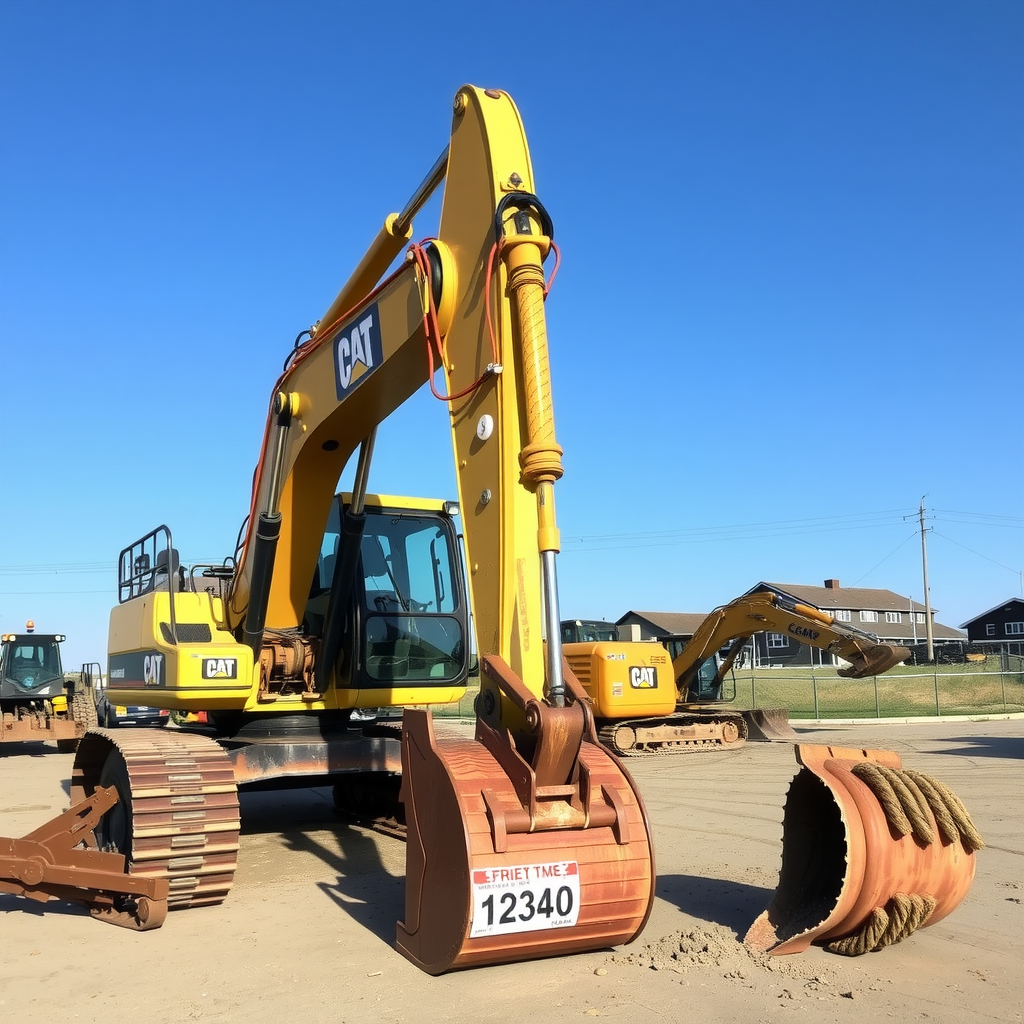
When you are in the market for excavators for sale, it’s important to understand the key features that will ensure you make the right choice. Whether you are considering a brand-new machine or a second hand excavator, knowing what to look for can save you time, money, and headaches down the line. Let’s delve into the essential aspects you should consider when purchasing an excavator, especially if you’re eyeing a used mini excavator.
1. Type of Excavator
First things first, what type of excavator do you need? Excavators come in various forms, including mini, midi, and standard excavators, each with its own specific applications. If you’re working in confined spaces, a used mini excavator could be the ideal choice as they are compact and versatile, making them perfect for residential construction or landscaping projects. Standard excavators, on the other hand, are better suited for heavy lifting and large-scale projects, so consider your specific needs carefully.
2. Digging Depth and Reach
Another critical feature to evaluate is the digging depth and reach of the excavators for sale. Excavators come with different arm configurations, which will dictate how deep you can dig and how far you can reach. If your project requires deep trenches or reaching into hard-to-access areas, you’ll want to ensure that the machine you’re considering has adequate specifications. Always check the manufacturer’s guidelines for the digging depth and reach specifications; many manufacturers provide this information in their brochures or online.
Discover top-quality machinery for your construction projects with our extensive range of excavators. Whether you’re looking to buy or rent, we offer high-performance units that cater to various needs. Check out our selection and find the perfect fit for your operations. Explore our latest listings of excavators for sale today!
3. Engine Power and Performance
When selecting a used excavator, it’s essential to look at the engine power and performance metrics. A machine with greater horsepower will typically be more efficient in completing tasks, particularly in demanding conditions. Try to find out the horsepower rating and engine type. Diesel engines are often preferred for their durability and torque, which can be an essential factor when tackling robust projects. Additionally, consider the fuel efficiency of the machine—after all, you want to keep operational costs in check.
4. Weight and Stability
Weight is vital when it comes to excavators, as it can significantly affect both performance and balance. Heavier models usually provide better stability, especially on uneven terrain. If you’re considering buying a second hand excavator, make sure to confirm the machine’s weight rating, as it will give you insight into its load capacity and how well it will perform in various conditions. Additionally, think about whether the excavator requires additional counterweights for optimal performance—especially for lifting or digging tasks.
5. Attachments and Versatility
One of the great benefits of excavators is their versatility, primarily due to the variety of attachments available. When looking at excavators for sale, check whether the model can accommodate different attachments such as buckets, grapples, or augers. This adaptability can save you money in the long run since you can use the same machine for multiple applications, increasing its value and efficiency. If you’re interested in versatility, inquire about any attachments that come with a used mini excavator before making your purchase.
6. Condition and Maintenance History
If you’re considering a second hand excavator, always inquire about its maintenance history. A well-maintained machine can be a valuable asset, while a poorly maintained one can lead to unexpected breakdowns and costly repairs. Asking for service records, previous ownership details, and any past incidents can provide you with vital information regarding the condition of the excavator. Check for signs of wear and tear, especially on the tracks, hydraulic systems, and cab area. If possible, request a professional inspection before you commit to the purchase.
7. Brand Reputation and Support
Finally, consider the brand and its reputation within the industry. Well-established brands often offer better support through warranties, parts availability, and service networks. Familiarise yourself with customer reviews and testimonials to gauge the reliability and performance of the excavators you are considering. Furthermore, explore the availability of spare parts; a brand that offers readily available parts can save you time and frustration during maintenance.
8. Price and Financing Options
Last but certainly not least, always evaluate your budget when looking for excavators for sale. Determine the price range you are comfortable with and explore financing options if necessary. While new excavators come with warranties, used models can provide significant savings, albeit with potential risks regarding reliability. Whatever path you choose, ensure you understand your financing options to make an informed decision. Take the time to shop around and compare prices, as this will help you find the best deal.
Whether you’re considering a brand-new machine or looking into a used mini excavator, taking the time to evaluate these key features will help ensure you make a purchase that suits your needs perfectly. Happy excavating!