
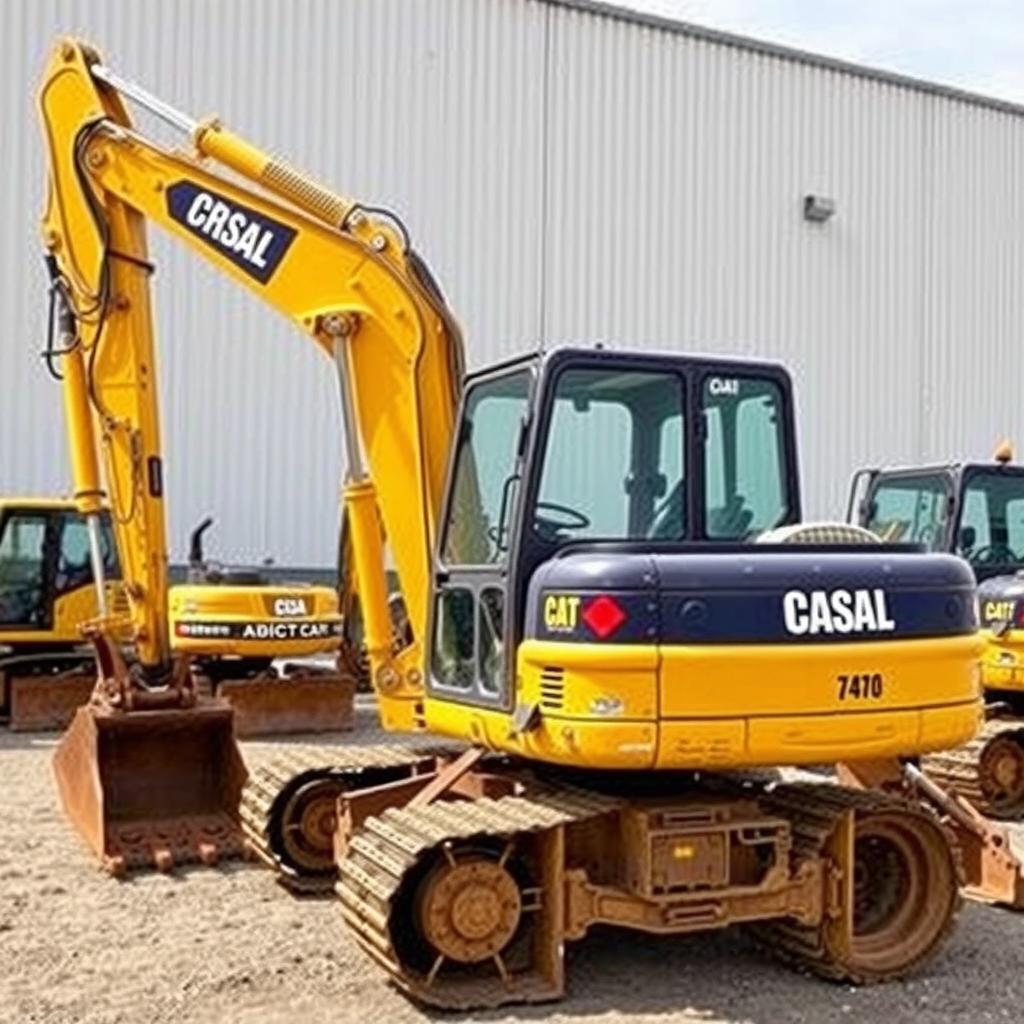
Buying a mini digger can be a significant investment for any construction business or DIY enthusiast. With a range of options available, understanding what to look for in mini diggers for sale is crucial to making an informed decision that aligns with your specific needs. Mini diggers, also known as mini excavators, offer enhanced manoeuvrability and efficiency, making them ideal for smaller sites where space is at a premium.
In this guide, we will unravel the essentials to consider when purchasing a mini digger. From the types of mini diggers available to the advantages of used mini diggers, we’ll ensure you have all the knowledge needed to confidently select the right machine for your projects.
Understanding Mini Diggers
Mini diggers are compact excavation machines designed for digging, lifting, and transporting materials. They are typically equipped with a boom, arm, and bucket that allow them to access tight spaces and execute various tasks, such as trenching, landscaping, and site preparation. Generally, mini diggers are classified by their operating weight, which can influence performance capabilities and suitability for different tasks.
When considering mini diggers for sale, you must first identify the specific operations you intend to undertake. Different models offer varying capabilities, including dig depth, reach, and lift capacity. Gaining clarity on the tasks you require the machine to perform will help streamline the selection process.
Factors to Consider When Buying a Mini Digger
One of the foremost criteria when selecting a mini digger is its size and weight. Mini diggers typically range from 800 kg to 5 tonnes. Understanding your operating environment is crucial here; for example, if you plan to work in confined spaces, opting for a lighter, more compact model is advisable. In contrast, if you need to move larger volumes of material, you may require a heavier machine.
Moreover, the digging depth is another pivotal consideration. Mini diggers come with different excavating capabilities, which vary from around 1.5 metres to over 3 metres, depending on the model. Evaluating the depth required for your projects will guide you in selecting a machine that meets your operational demands without compromising efficiency.
Additionally, examine the hydraulic capabilities of the mini digger you are considering. Units with robust hydraulic systems provide better performance, especially for attachments such as augers and breakers. Higher hydraulic flow rates will enable more vigorous operation and quicker task completion, translating into increased productivity on site.
New vs. Used Mini Diggers
When browsing for mini diggers for sale, you’ll often encounter a choice between new and used models. Each option comes with distinct advantages and drawbacks that may impact your decision.
Purchasing a new mini digger allows you to benefit from the latest technology, enhanced fuel efficiency, and lower maintenance issues. Moreover, a new machine typically comes with a manufacturer’s warranty, offering peace of mind regarding potential repairs.
Conversely, opting for used mini diggers can be an economical choice, significantly reducing upfront costs. However, when considering a second-hand machine, it’s vital to conduct thorough research and inspections. Check for signs of wear and tear, and inquire about the machine’s maintenance history. It’s also wise to seek equipment from reputable sources or dealers who provide certification for their used machines. By doing so, you ensure that you are investing in a reliable asset.
The Importance of Maintenance History
One aspect that often goes unnoticed is the importance of maintenance history when buying used mini diggers. Well-maintained machines will not only function better but also have a longer lifespan, making your investment worthwhile. It’s imperative to request detailed records of previous servicing, repairs, and any modifications made to the machine.
Regular maintenance helps prevent unexpected breakdowns during operation, which can lead to costly downtime and delays in your projects. A machine with a solid maintenance history indicates that previous owners cared for it appropriately and can serve as a guiding metric for your own management of the equipment.
Brand Research and Dealer Reputation
Once you narrow down your options for mini diggers, conduct comprehensive research on the brands and models you are interested in. Some manufacturers are renowned for their reliability, efficiency, and customer support. Consider reaching out to industry contacts or consulting online forums to exchange experiences with different brands.
Additionally, selecting a reputable dealer is equally important when considering your purchase. Engaging with established dealers who have a strong track record offers assurance about the quality and support you can expect after buying. Handling after-sales service and availability of spare parts are crucial factors that can save you time and money in the long run.
Discover a variety of high-quality mini diggers for sale at unbeatable prices. Our extensive inventory is perfect for construction projects of all sizes, offering efficiency and reliability. Whether you’re looking to purchase or rent, our expert team is here to assist you in finding the right machinery to meet your needs. Invest in superior performance—explore our options today and elevate your construction capabilities!
Looking for reliable mini diggers for sale? Our wide selection of top-quality mini diggers is perfect for any construction project, big or small. With competitive pricing and exceptional customer service, you’ll find exactly what you need to get the job done efficiently. Explore our inventory today at https://www.sjhallplant.com.
Cost Considerations and Budgeting
Budgeting is an essential component in the purchasing process. Establish a clear investment range to manage your financial plan effectively. Keep in mind that the initial purchase price is not the only cost you’ll incur. Consider operational expenses such as fuel, maintenance, and any necessary attachments.
Moreover, when budgeting, take into account the potential for downtime due to repairs or servicing. Allocating funds for unforeseen circumstances will help you maintain project schedules without financial strain. By approaching your purchase with a comprehensive understanding of costs, you can achieve a more sustainable and effective investment in your equipment.