
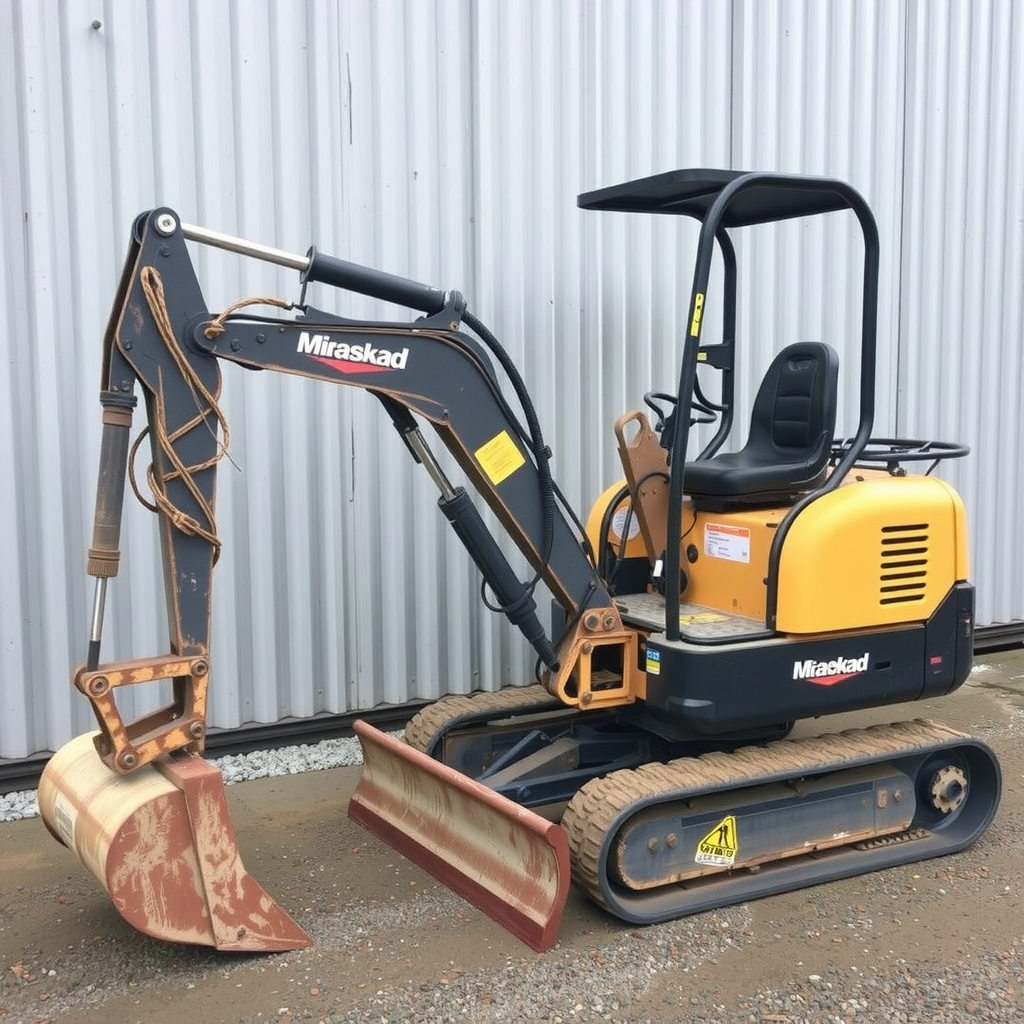
When it comes to construction, landscaping, or any groundworks project, the choice of machinery can significantly impact efficiency and outcomes. Mini diggers have become increasingly popular in recent years, thanks to their versatility, compact size, and ease of use. This guide is designed to help you understand the ins and outs of mini diggers, enabling you to choose the right equipment for your specific project needs.
Understanding Mini Diggers
Mini diggers, also known as mini excavators, are compact, lightweight machines designed for a variety of tasks, including digging, lifting, and grading. Typically weighing between 1 and 10 tonnes, they are ideal for smaller jobs where space is at a premium. Their manoeuvrability allows them to work in tight areas, making them perfect for urban construction sites, residential landscaping, and utility installation.
FAQ: Mini Diggers
What is a mini digger?
A mini digger, also known as a compact excavator, is a small piece of construction machinery used for digging and excavation tasks. It typically weighs between 1 and 10 tons and is designed for use in tight spaces where larger equipment cannot operate effectively.
What types of projects are mini diggers suitable for?
Mini diggers are versatile and can be used for various projects, including residential landscaping, trenching for utilities, foundation work, garden renovations, and light demolition. Their compact size allows them to navigate narrow access points easily.
How deep can a mini digger excavate?
The depth that a mini digger can excavate varies by model but typically ranges from around 2 to 4 meters (6 to 13 feet). Always check the specifications of the specific machine you’re considering renting or purchasing to find its exact digging depth capabilities.
Do I need any special training to operate a mini digger?
While it’s not always required by law to have formal training, it’s highly recommended. Understanding how to safely operate heavy machinery like mini diggers will help prevent accidents and ensure efficient work performance. Many rental companies offer training courses.
Can I rent a mini digger for short-term use?
Yes! We offer flexible rental options for mini diggers ranging from daily rentals to long-term leases. Whether you have a quick project or need equipment on-site over an extended period, we have plans that will suit your needs.
Are there any additional costs when renting a mini digger?
When renting a mini digger, potential additional costs may include insurance coverage, delivery charges if required on-site delivery isn’t included in the rental fee), fuel costs during usage (if applicable), and any optional attachments you might prefer using.
What accessories or attachments can be used with a mini digger?
Mini diggers are compatible with various attachments such as buckets (different sizes), augers (for drilling holes), hydraulic breakers (for demolition work), lifting hooks (for material handling), and many others tailored for different applications.
How do I maintain my rented mini digger during my project?
Proper maintenance helps ensure safety and optimal performance throughout your rental period. Regularly check fluid levels (oil/coolant/fuel) before using the machine each day; keep it clean; inspect tires/belts/hoses; report any issues immediately so they can be addressed promptly.
How do I transport the rented mini-digger?
To transport your rented minidigger safely: ensure it’s secured onto an appropriate trailer or flatbed truck that meets weight capacity requirements; lower its arm/outreach securely; clean up excess mud/debris before loading onto transportation vehicles. We also offer transportation services if needed!
Feel free to reach out if you have more questions regarding our offers on mini diggers!
For compact construction projects, mini diggers are the ideal solution, offering both agility and power. These versatile machines are perfect for tight spaces, ensuring efficient excavation and landscaping. Whether you’re renting or purchasing, our selection of mini diggers is tailored to suit various job requirements. Enhance your productivity and tackle your next project with confidence by choosing the right mini digger for your needs.
Mini Diggers for Sale: What to Look For
When browsing for mini diggers for sale, it’s essential to consider several key factors that will determine the best machine for your needs.
Weight Class: Mini diggers come in various weight classes, usually ranging from 1 tonne to 8 tonnes. Determine the scale of your project to find an appropriate weight class. Lighter machines are generally more manoeuvrable, while heavier ones provide greater digging force and stability.
Digging Depth and Reach: Assess the maximum digging depth and reach that you’ll require for your project. Most mini diggers can reach depths of up to 3 metres, but if your work involves deeper excavations, you may need to look for a model specifically designed for that purpose.
Attachments and Versatility: Consider what attachments you may need with your mini digger, such as buckets, augers, or breakers. A machine that can easily switch attachments will add versatility to your operations and reduce downtime.
Power: Evaluate the power of the engine, which affects both performance and fuel efficiency. Diesel engines are common in mini diggers, offering a good balance of power and operational costs.
Brand and Model Reputation: Research reputable brands known for reliability and serviceability. Look for customer reviews and feedback to find models that have a strong track record.
Used Mini Diggers: Pros and Cons
Choosing a used mini digger can be a cost-effective solution for many contractors and DIY enthusiasts. However, it is vital to weigh the benefits against potential drawbacks.
Advantages of Buying Used Mini Diggers
-
Cost Savings: Used mini diggers typically come at a significantly lower price compared to new models, making them an attractive option for those on a budget.
-
Depreciation: New machinery depreciates quickly, whereas used equipment has already undergone significant depreciation, providing a better value over time.
-
Availability of Older Models: Sometimes, older models might offer enhanced durability or features not present in newer versions, which could be suitable for specific tasks.
Cost Savings: Used mini diggers typically come at a significantly lower price compared to new models, making them an attractive option for those on a budget.
Depreciation: New machinery depreciates quickly, whereas used equipment has already undergone significant depreciation, providing a better value over time.
Availability of Older Models: Sometimes, older models might offer enhanced durability or features not present in newer versions, which could be suitable for specific tasks.
Disadvantages of Buying Used Mini Diggers
-
Condition: The state of used plant machinery can vary dramatically. It’s crucial to inspect the machine thoroughly and request a service history to avoid unexpected repairs.
-
Limited Warranty: Used equipment may come with limited or no warranty, which could be a risk if the machine develops issues soon after purchase.
-
Outdated Technology: New mini diggers often come with advanced features, such as enhanced safety mechanisms or improved fuel efficiency, which might be lacking in older models.
Condition: The state of used plant machinery can vary dramatically. It’s crucial to inspect the machine thoroughly and request a service history to avoid unexpected repairs.
Limited Warranty: Used equipment may come with limited or no warranty, which could be a risk if the machine develops issues soon after purchase.
Outdated Technology: New mini diggers often come with advanced features, such as enhanced safety mechanisms or improved fuel efficiency, which might be lacking in older models.
Tips for Renting Mini Diggers
If purchasing a mini digger doesn’t align with your budget or project requirements, renting might be the best option. Here are some tips to consider:
Duration of Rental: Know how long you’ll need the equipment, as rental rates can vary based on the length of time you’ll be using the mini digger.
Condition of Equipment: Always inspect the digger before renting it. Ensure it’s in good working order and well-maintained to avoid equipment failure during your project.
Renting from Reputable Companies: Choose rental companies known for their excellent service and range of equipment. This ensures you have access to quality machinery and reliable support in case of issues.
Determine Your Needs: Make a list of tasks you will perform with the mini digger and communicate your requirements with the rental company. This way, you can select the best machine for your project.
Understanding Rental Agreements: Familiarise yourself with the terms of the rental agreement, including insurance responsibilities, damages, and breakdowns.
By understanding the features and considerations related to mini diggers, you can make informed choices whether you’re looking to purchase or rent. With the right equipment, your construction or landscaping project can run more smoothly, safely, and efficiently.